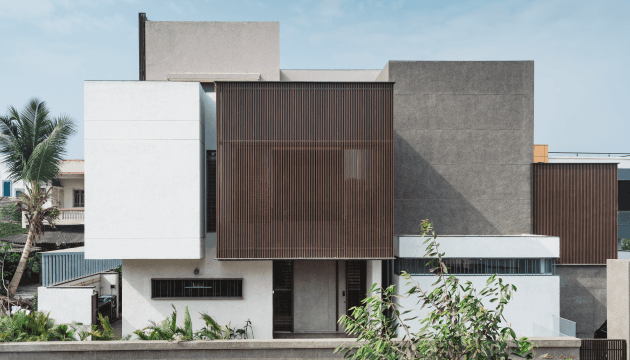
Home designs featuring Aluminium Cladding

Altars are sacred spaces designed for spiritual practices, reflecting their significance through thoughtful design and symbolic elements.Benefits:Spiritual Focus: Altars provide a dedicated space for prayer, meditation, and spiritual practices.Symbolic Representation: They often incorporate religious symbols and elements that enhance spiritual connection and reflection.Cultural Heritage: Altars can reflect cultural and religious traditions, preserving and honoring heritage.Peaceful Environment: A well-designed altar creates a serene and peaceful atmosphere, conducive to contemplation and worship.Personal Connection: Home altars allow individuals to create a personal space for their spiritual practices, enhancing their daily rituals.Design Ideas: Designing an altar requires careful consideration to reflect its spiritual significance and create a serene environment. Use natural materials like wood, stone, or marble to create a grounded and timeless altar. Incorporate symbolic elements, such as candles, flowers, and religious icons, to enhance the sacred atmosphere. The design should focus on simplicity and functionality, providing space for worship and contemplation. Consider the surrounding area, ensuring it complements the altar and contributes to a peaceful ambiance. In homes, altars can be placed in quiet corners or dedicated rooms, creating a private sanctuary for spiritual practice.
Amphitheatres provide dynamic spaces for performances and gatherings, combining functionality with aesthetic appeal.Benefits:Excellent Acoustics: The design of amphitheatres ensures clear sound projection, enhancing the audience's experience.Visibility: Tiered seating provides unobstructed views, making performances and events more enjoyable.Versatility: Amphitheatres can host a variety of events, from concerts and plays to community gatherings and festivals.Outdoor Experience: They offer a unique outdoor entertainment experience, connecting people with nature while enjoying cultural events.Cultural Value: Amphitheatres often become cultural landmarks, enriching the community's social and cultural life.Design Ideas: Designing an amphitheatre involves creating a space that is both functional and visually appealing. Incorporate natural elements, such as terraced seating built into a hillside or using sustainable materials like wood and stone, to blend the structure with its surroundings. Ensure good acoustics by using sound barriers and materials that enhance audio quality. Modern design ideas include integrating digital screens for multimedia presentations and creating flexible spaces that can be adapted for various events. Comfortable seating and accessibility are crucial for a functional and inviting amphitheatre. Consider incorporating shaded areas, restrooms, and concession stands to enhance the overall experience for visitors.
Arches add architectural interest and elegance to any space, serving both structural and decorative purposes in buildings. Benefits of Arches: Aesthetic Appeal: Arches add elegance and sophistication to architectural designs, creating visually stunning features. Structural Integrity: They provide strong structural support, distributing weight evenly and enhancing stability. Versatility: Arches can be incorporated into various architectural styles, from traditional to modern. Spatial Definition: They help define spaces within open floor plans, creating distinct areas without the need for walls. Historical Connection: Arches connect contemporary designs with historical architectural styles, adding depth and context. Arches Design Ideas: Arches can add a sense of grandeur and elegance to any space. For traditional designs, consider using stone or brick arches to create a timeless look. These materials can add texture and depth to the structure. Modern interpretations of arches include sleek, metal-framed designs or minimalist styles that emphasize clean lines and simplicity. Arches can be used to frame entrances, hallways, windows, or even as decorative elements within a room. Incorporating decorative tiles, patterns, or lighting fixtures can further accentuate the beauty of arches. In interior spaces, consider using arches to create cozy alcoves or seating areas that add character and charm to the design.
Art decor elevates interiors by integrating artistic elements into the design. It includes everything from wall paintings to artistic furniture pieces that contribute to the overall aesthetic.Benefits:Enhanced Aesthetics: Art decor adds beauty and sophistication to interiors, creating visually appealing spaces.Personalization: It allows homeowners to express their personality and style through unique decorative elements.Cultural Enrichment: Art decor can incorporate cultural and historical elements, enriching the home's cultural depth.Mood Enhancement: Art can influence the mood and atmosphere of a space, creating a more enjoyable living environment.Increased Value: High-quality art decor can increase the perceived value of a home, making it more attractive to potential buyers.Design Ideas: To elevate your home's interior, explore various art decor ideas that integrate a mix of textures, colors, and styles. Start with wall art, such as paintings, murals, and framed prints, to create visually appealing focal points. A gallery wall with a collection of diverse artworks can add interest and personality to a room. Consider incorporating art-inspired furniture pieces, like chairs with artistic upholstery or tables with sculptural bases. Decorative accessories, such as vases, mirrors, and textiles, can further enhance the artistic theme. Utilize bold colors and patterns to create contrast and visual interest. Additionally, think about the placement of these items to ensure a balanced and cohesive look that reflects your unique style.

Art galleries are designed to enhance the viewing experience and effectively showcase artworks, providing a space for artistic appreciation and engagement.Benefits:Enhanced Viewing Experience: Art galleries are designed to showcase artworks in the best possible light, enhancing their visual impact.Cultural Enrichment: They provide access to diverse artistic expressions, enriching cultural understanding and appreciation.Community Engagement: Art galleries often host events, workshops, and exhibitions, fostering community engagement and education.Inspiration: Galleries can inspire creativity and provide a platform for emerging artists to gain exposure.Economic Impact: They can attract tourists and art buyers, contributing to the local economy and supporting the arts community.Design Ideas: Creating an art gallery involves designing a space that enhances the viewing experience and showcases the artworks effectively. Consider neutral color palettes for walls to allow the artwork to stand out without distractions. Use adjustable lighting to highlight individual pieces and create ambiance throughout the gallery. Design flexible wall systems that can be easily reconfigured to accommodate different exhibitions and display needs. Incorporate seating areas and interactive elements, such as touchscreens or audio guides, to engage visitors. Thoughtful layout and flow are essential to guide visitors through the gallery and ensure a pleasant viewing experience. Additionally, consider the use of natural light through skylights or large windows to create a bright and inviting space.
Art sculptures can transform any space by adding a unique artistic touch. They can be placed in gardens, living rooms, or as standalone pieces to create a visually striking effect.Benefits:Visual Interest: Sculptures add depth and dimension, making spaces more visually engaging.Personal Expression: They reflect personal taste and style, adding a unique character to the home.Focal Points: Sculptures can serve as eye-catching focal points, drawing attention and enhancing the overall design.Versatility: They can be used both indoors and outdoors, adapting to various design themes and spaces.Cultural Value: Sculptures can represent cultural heritage, history, or artistic movements, enriching the home's cultural significance.Design Ideas: Incorporating art sculptures into your home or garden can significantly elevate the aesthetic appeal. For an indoor setting, consider placing sculptures in well-lit areas, such as near windows or under spotlights, to highlight their details. Bronze or stone sculptures can add a touch of classic elegance, while contemporary metal or glass pieces can create a modern, artistic vibe. Outdoor sculptures can enhance garden landscapes; think about placing them among greenery or water features for a harmonious effect. Choosing sculptures that reflect your personal taste and complement the surrounding decor will add a unique character to your space. Additionally, incorporating rotating bases or plinths can allow for versatile display options.

Attics offer a unique opportunity for additional living space, such as bedrooms, home offices, or recreational areas, while adding character and charm to a home.Benefits:Extra Space: Provides additional living or storage space without needing an extension.Privacy: Attic spaces are often more private, making them ideal for bedrooms or studios.Aesthetic Appeal: Sloped ceilings and exposed beams add architectural interest.Energy Efficiency: Proper insulation in attics can improve the energy efficiency of the home.Increased Property Value: Converting an attic into a livable space can increase the home’s value.Design Ideas: Use skylights to bring in natural light and make the space feel open and airy. Incorporate built-in storage solutions to maximize space under sloped ceilings. Use cozy furniture and soft textiles to create a warm, inviting atmosphere. Consider using exposed beams or rustic wood elements for added character. Use neutral tones or light colors to make the space feel larger.

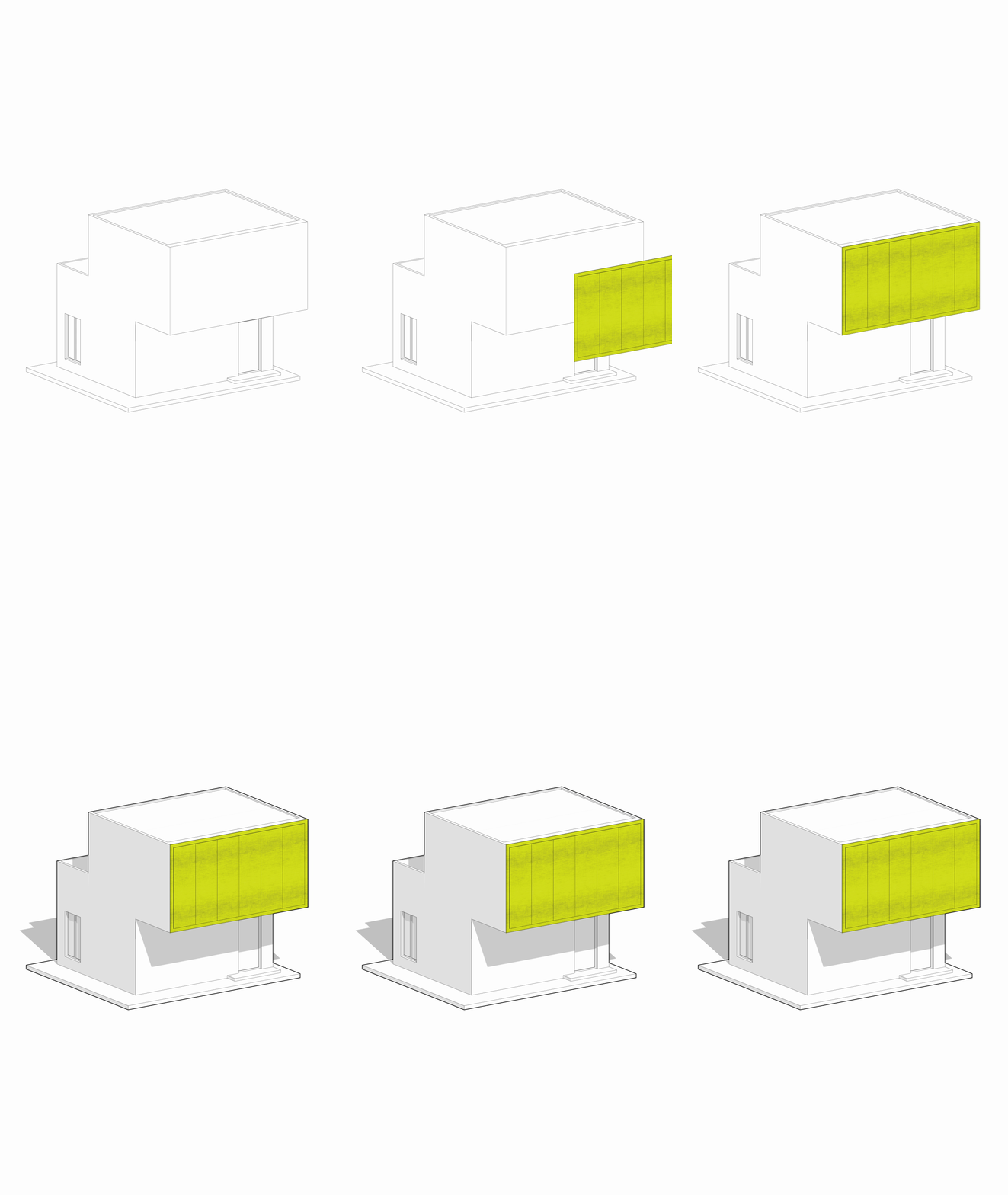
Axonometric views are essential in architectural design for presenting three-dimensional structures in a detailed and comprehensive manner.Benefits:Comprehensive Representation: Axonometric views provide a detailed and accurate representation of architectural designs, showing multiple sides simultaneously.Clarity and Precision: They maintain scale and proportion, ensuring clarity and precision in the presentation of complex structures.Enhanced Communication: These views facilitate better communication between architects, engineers, and clients, improving understanding of the design.Problem-Solving: Axonometric drawings can help identify potential design issues early in the planning process, allowing for effective problem-solving.Versatility: They can be used to showcase various aspects of a design, from overall layouts to detailed structural components.Design Ideas: Utilizing axonometric views in design allows for a detailed and accurate representation of architectural projects. When creating axonometric drawings, focus on maintaining scale and proportion to ensure clarity and precision. Use color coding and shading to differentiate between various elements and layers of the design. Incorporate labels and annotations to provide additional information and context. Axonometric views can be used to showcase the overall layout, structural components, and interior details of a building. This type of drawing is particularly useful for presenting complex designs in a clear and understandable manner, making it an essential tool for architects and designers.